






 Taiwan precision parts sourcing meetings, Osaka and Tokyo
Osaka (18 Nov) and Tokyo (20 Nov)
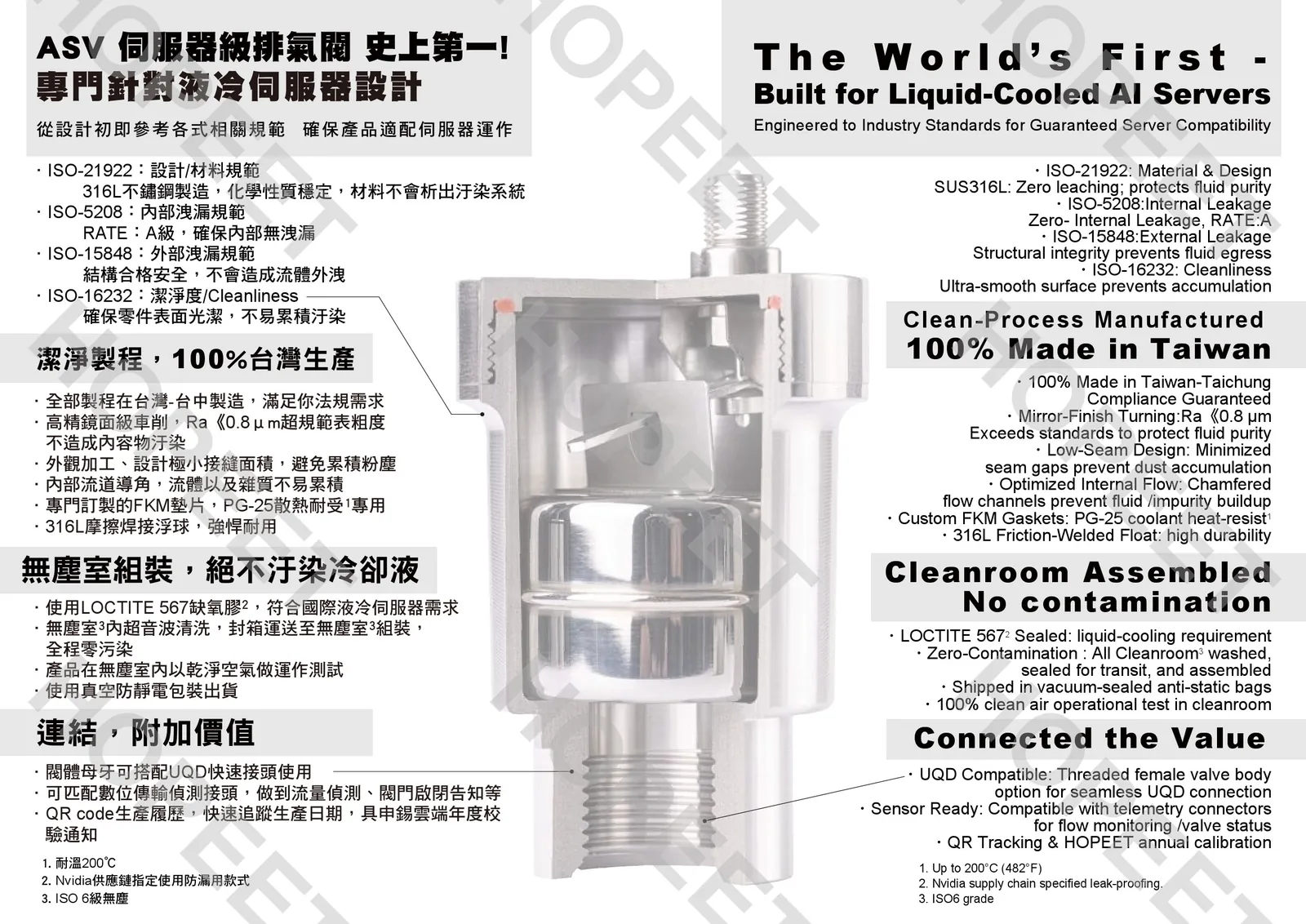
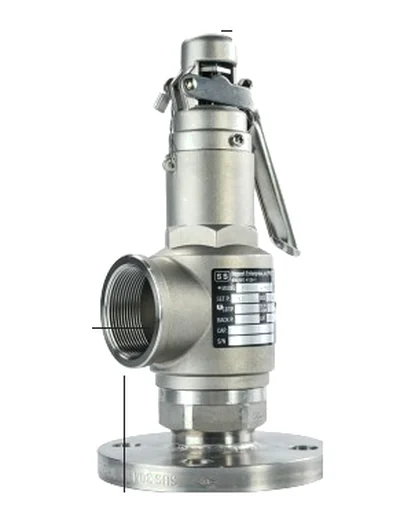
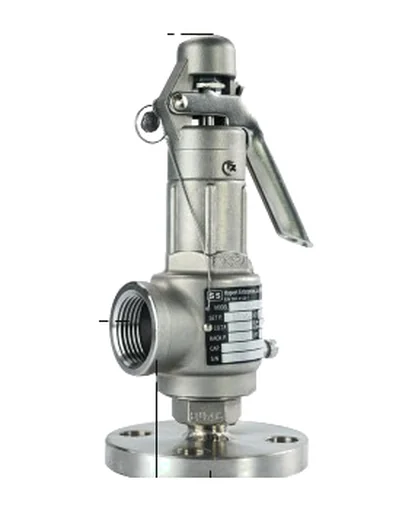
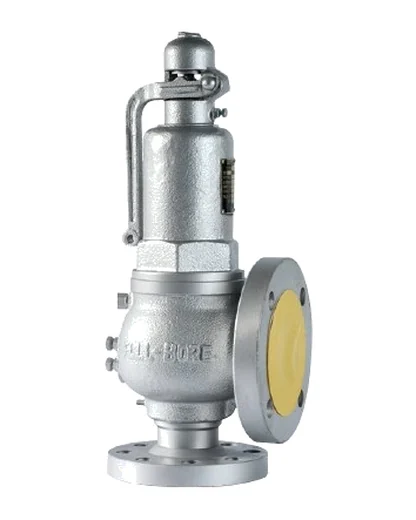
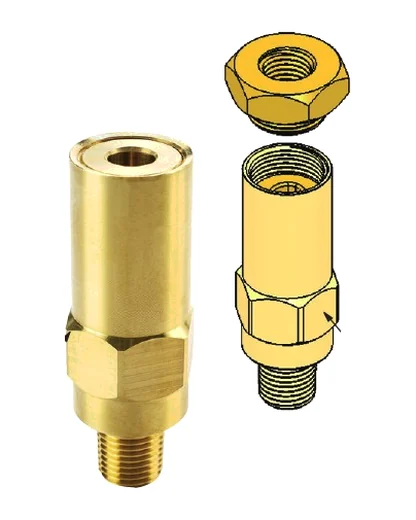
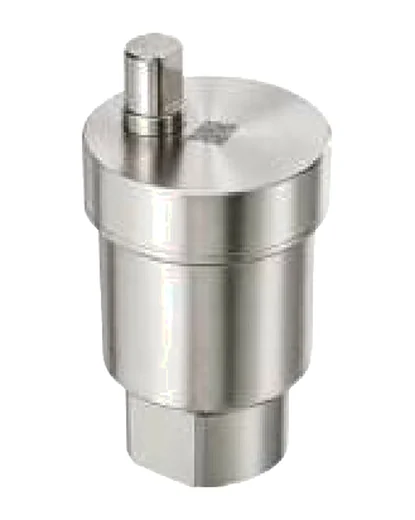
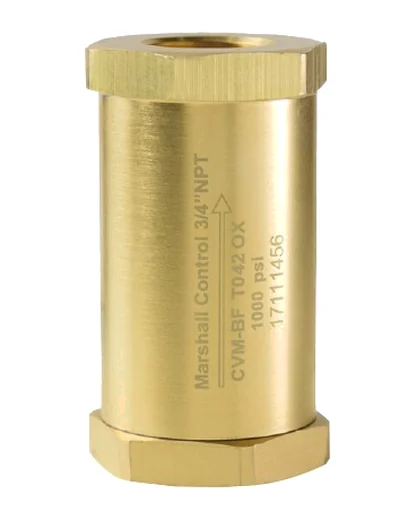
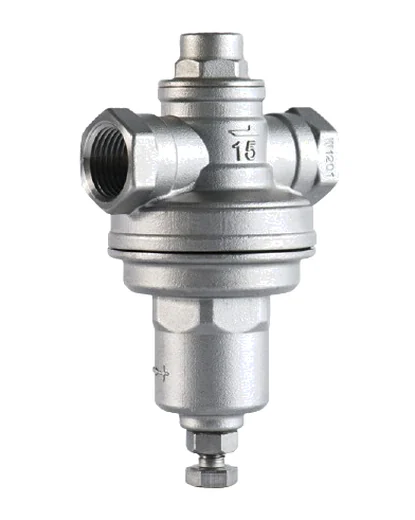
One-to-one meetings with Japanese buyers in Osaka on 18 November and Tokyo on 20 November, with our CE-certified safety valves and the ASV air vent.
Read more →
Safety & relief valves · Made in Taiwan · Since 1968Precision under pressure.
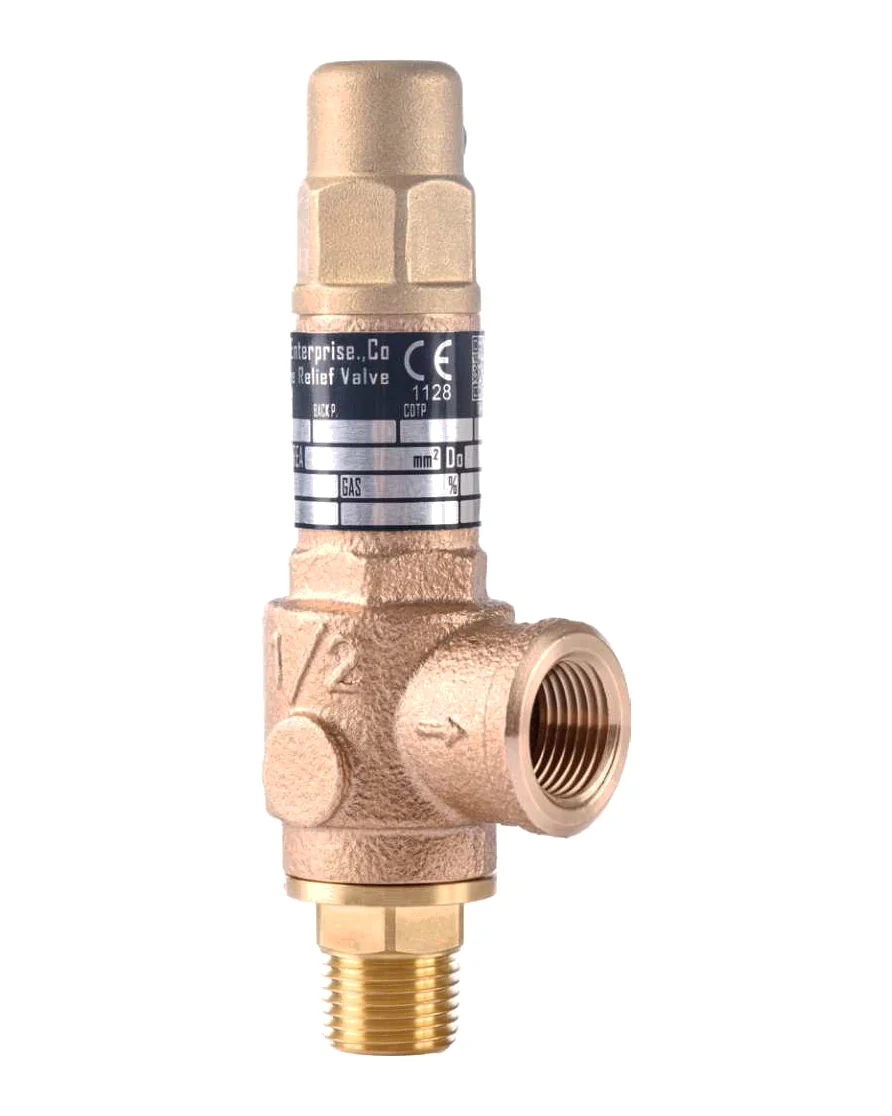
We design, machine, assemble and test every safety valve in our own factory in Taiwan — certified to CE PED Module H1, the EU’s highest level for pressure equipment.
SCROLL
01 — Our standard
Highest standard. Safety first.
A safety valve is the last line of defence. Since 1968 we have built ours to the highest standard — almost every part from our own machines, every valve tested before it ships.
1968making valves since
95%of parts made in-house
H1CE PED, the EU’s top level
02 — Machining
Cut from solid metal.
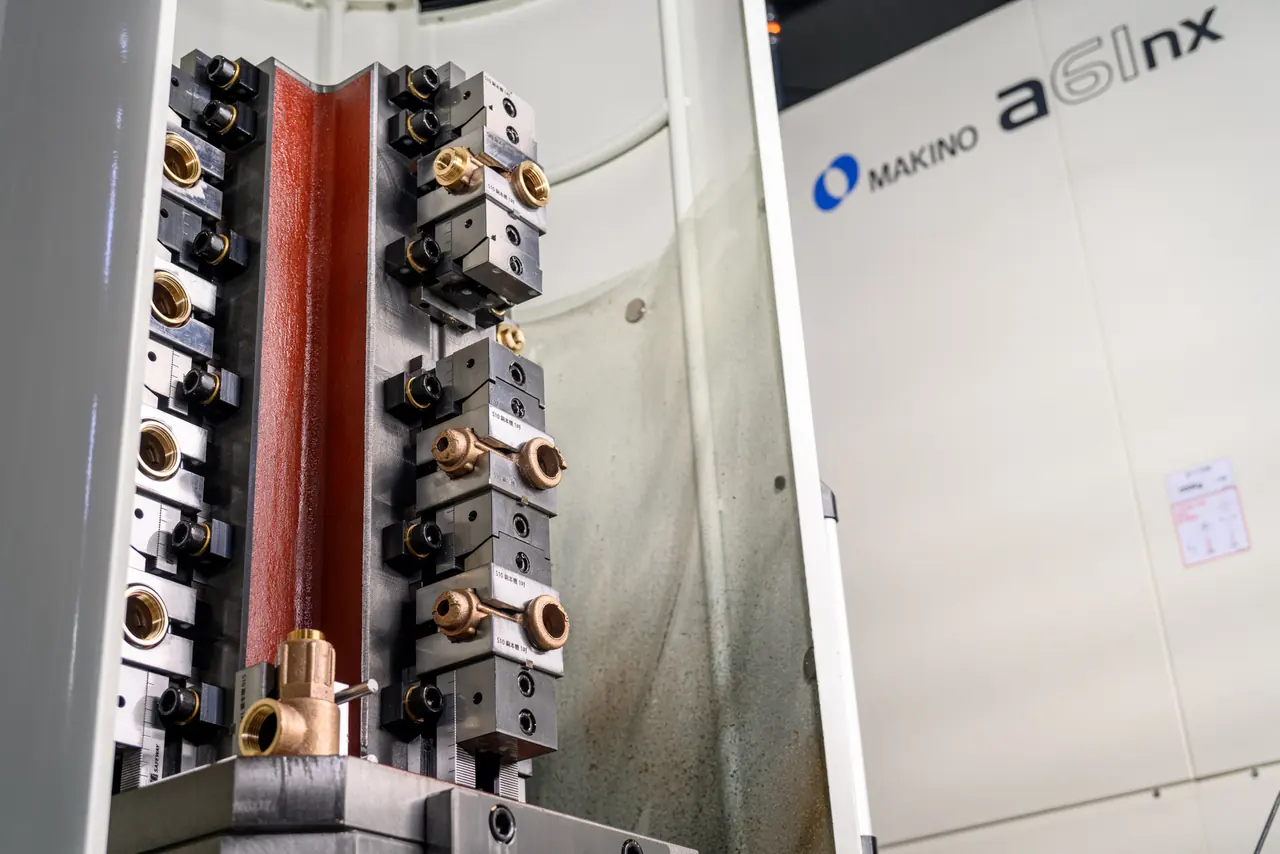
Raw brass is checked on a Hitachi spectrometer when it arrives, then machined on our own CNC lines.
02 — Machining
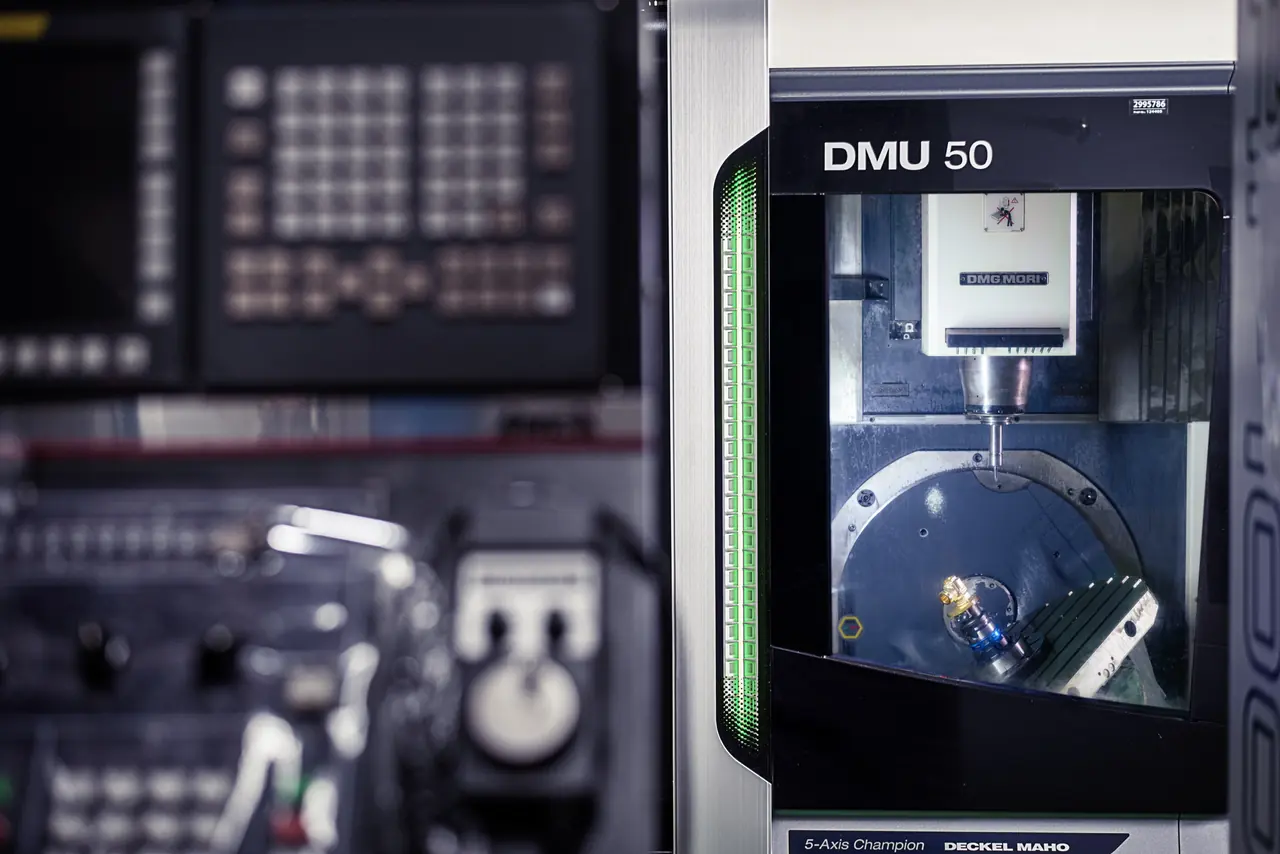
Five axes. One setup.
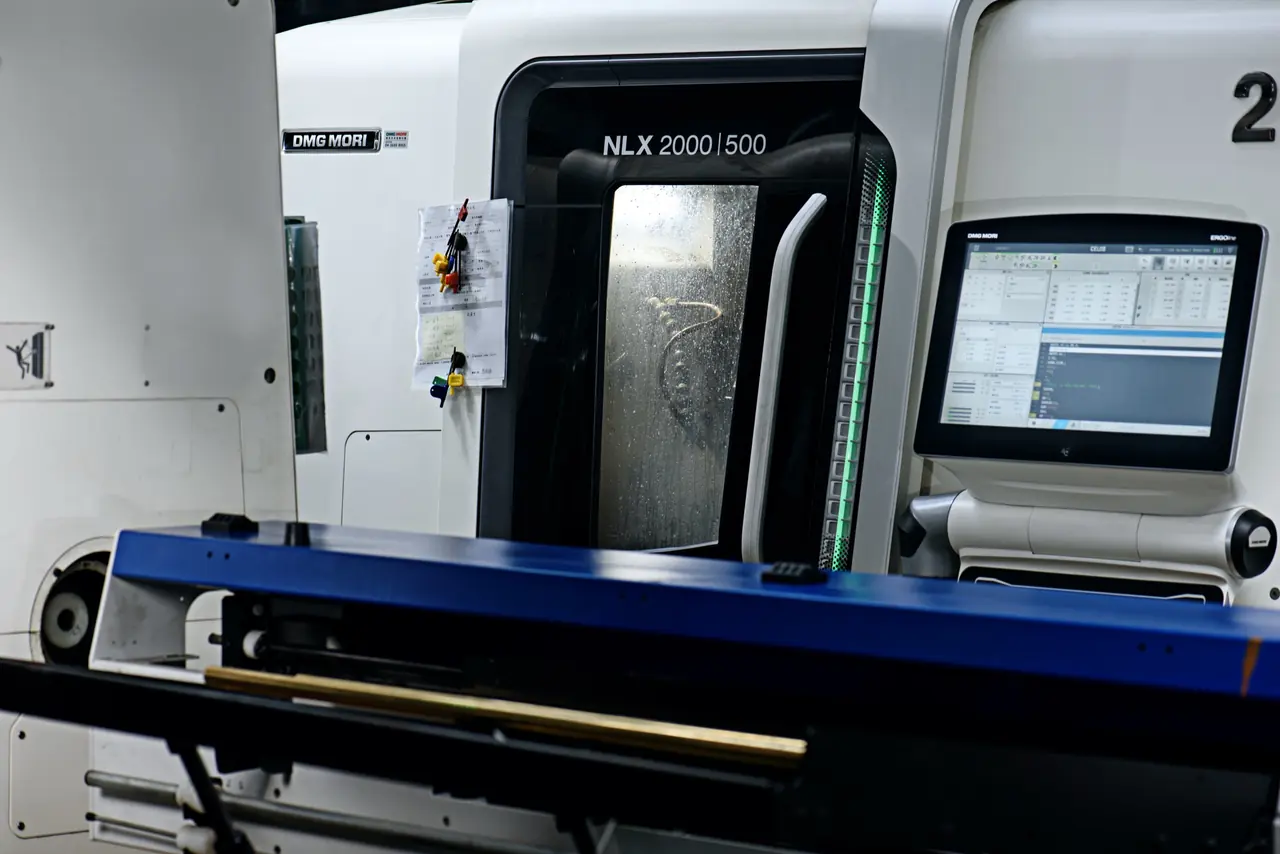
Complex bodies are finished on DMG MORI 5-axis machines, cutting more faces in every clamping.
02 — Machining
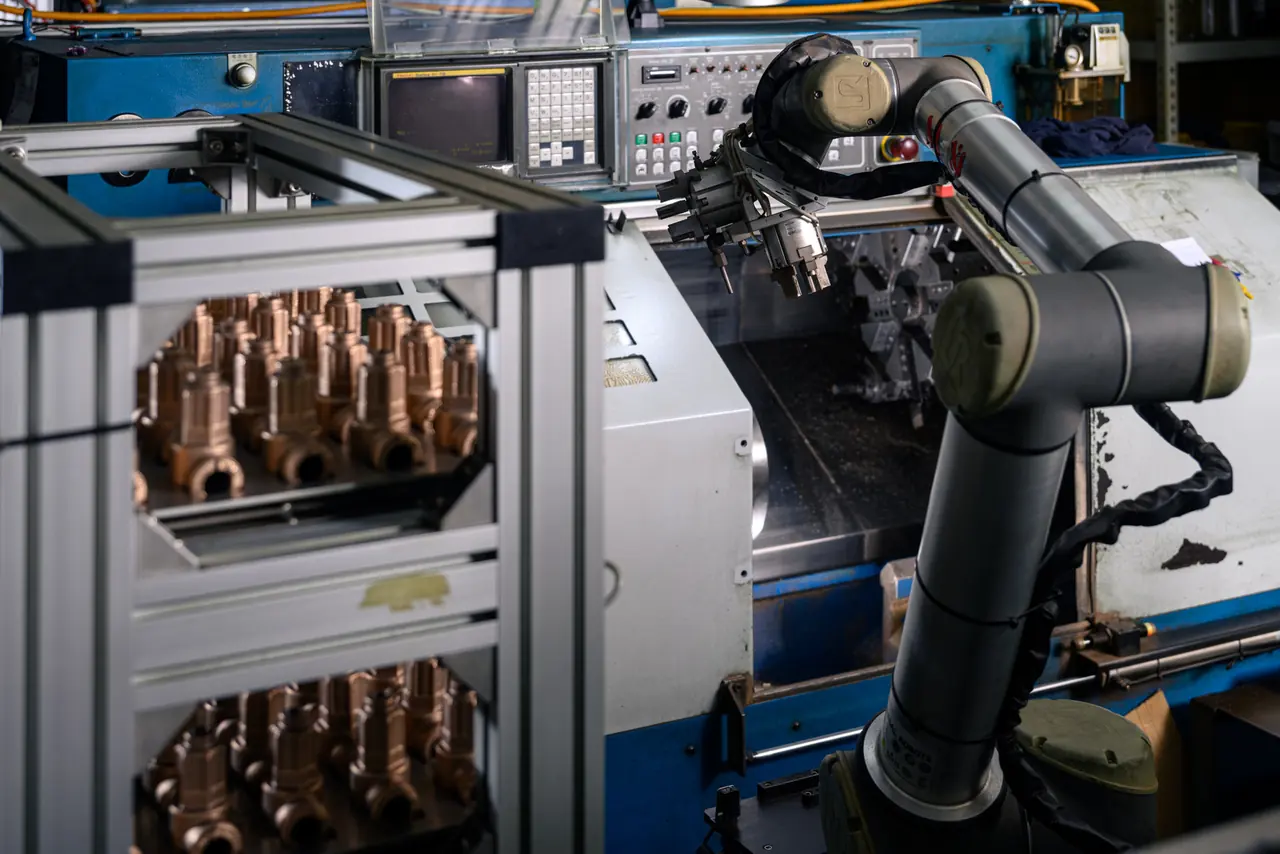
Robots load. People check.
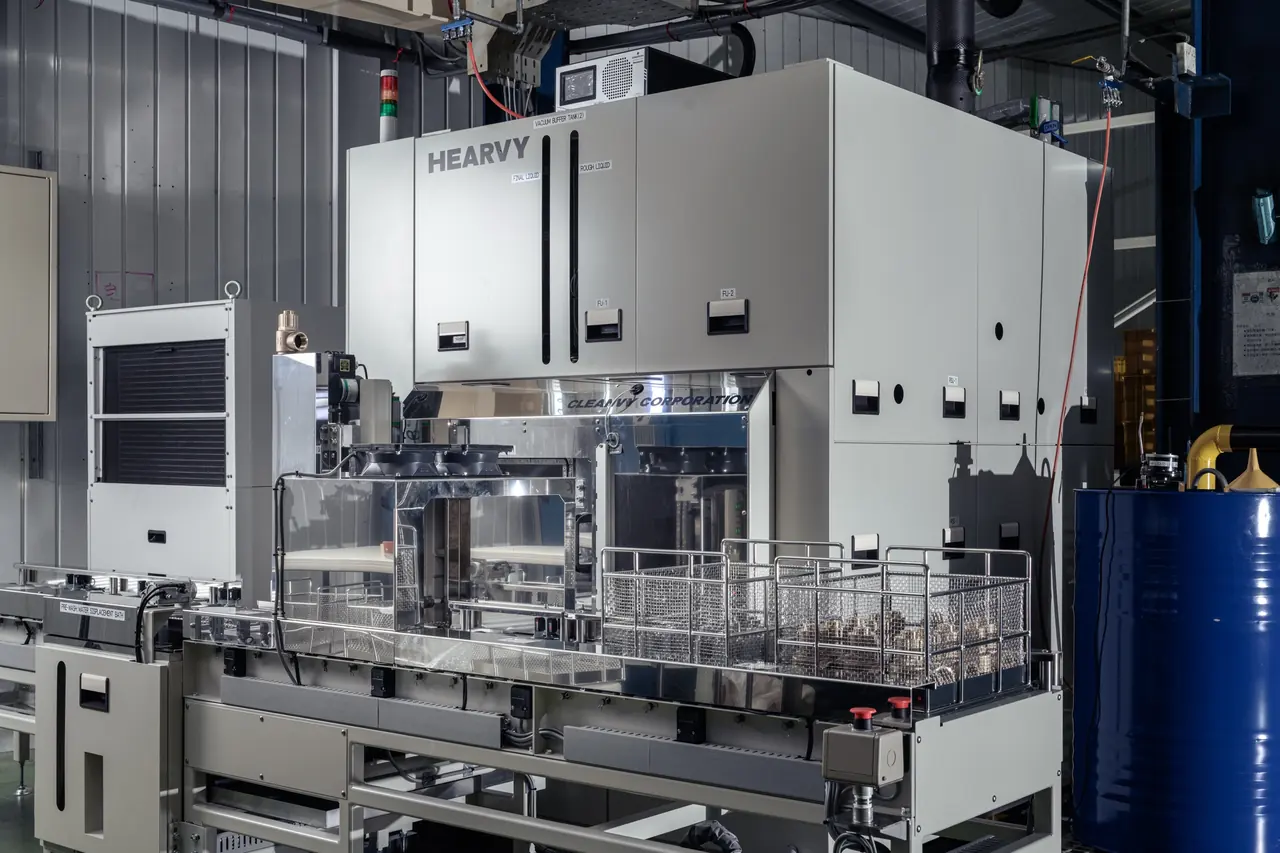
Robots tend the lathes. Hardness, roughness and roundness are checked every two hours.
02 — Machining
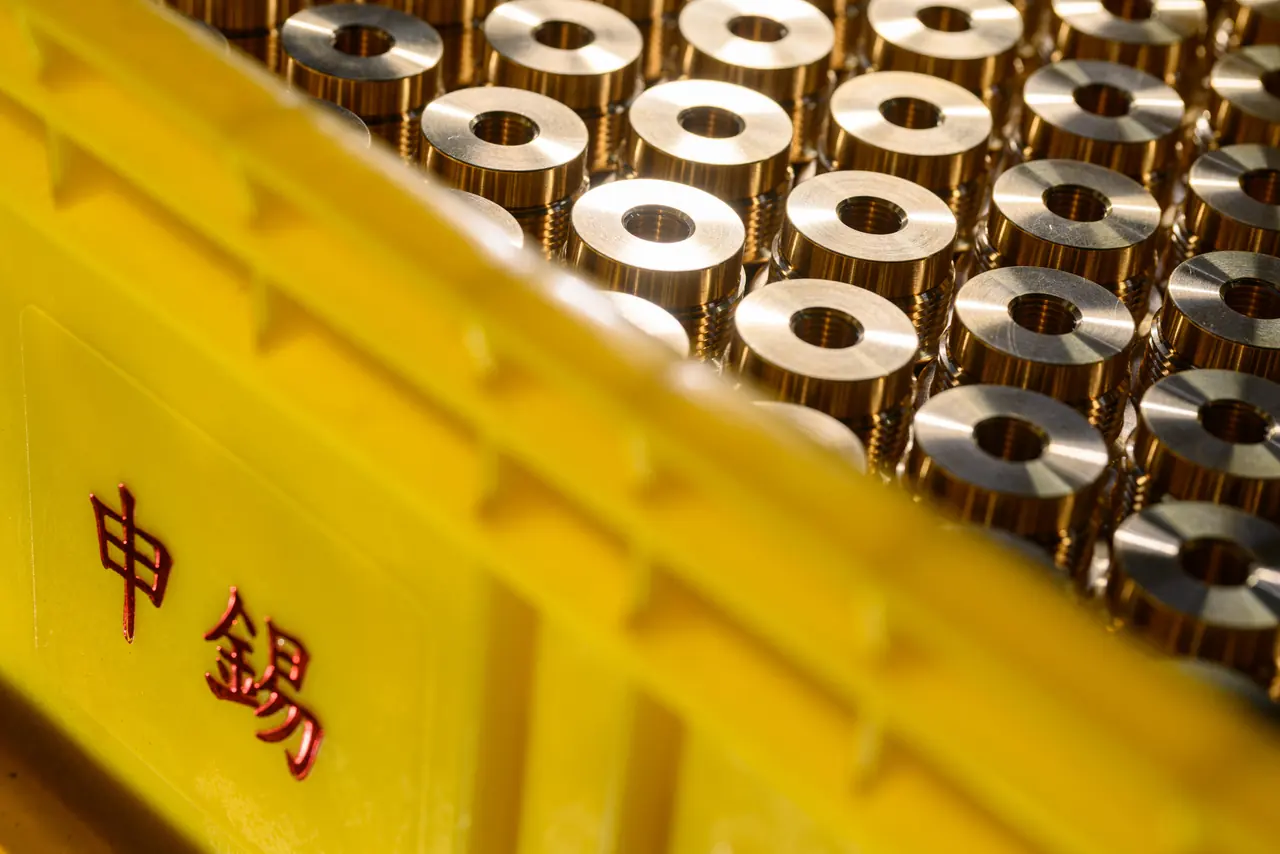
Every part, our own.
We keep outside parts to a minimum, so nothing gets knocked about in transit between suppliers.
03 — Testing
The strictest testing.
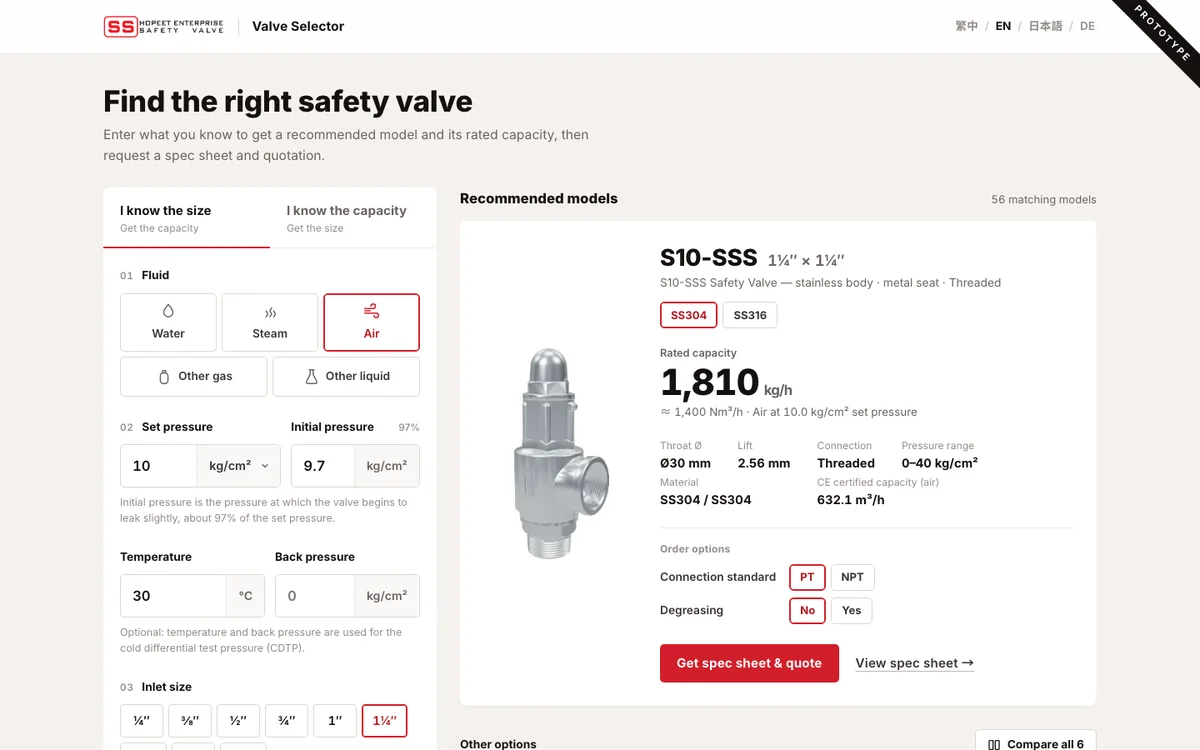
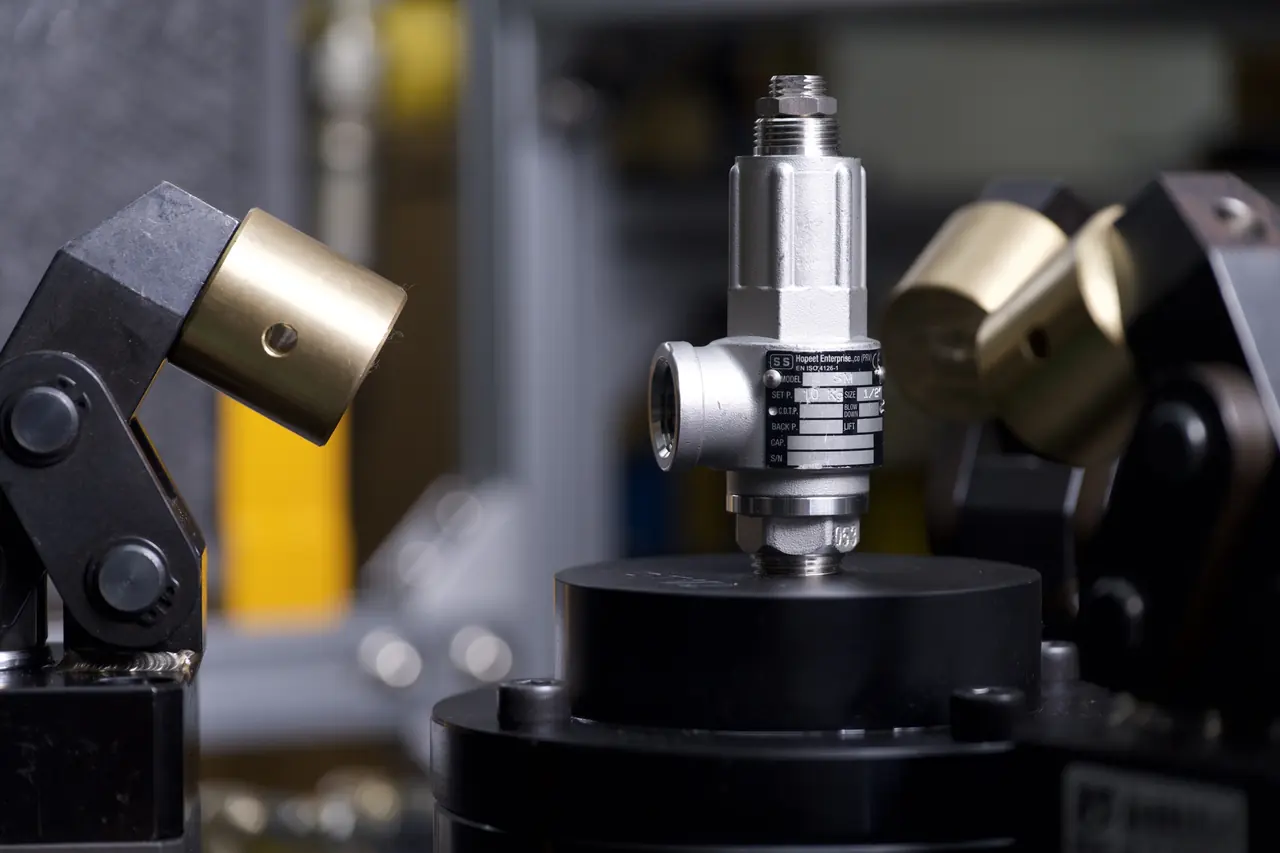
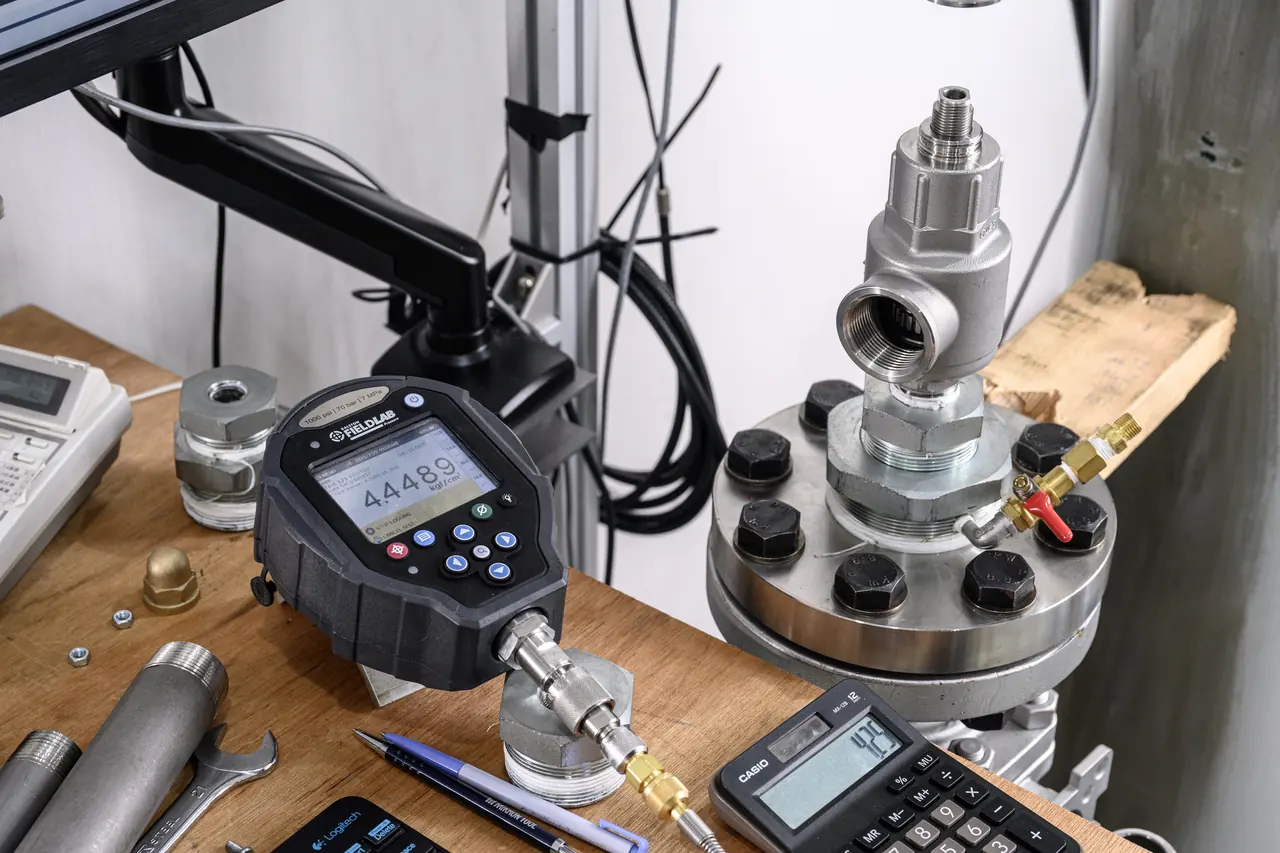
A safety valve has one job: to open at exactly its set pressure. So before it leaves us, every valve is set and checked on our own test bench, and its seat leak-tested to API 527.
04 — The valve
SU-SSS safety valve.
Stainless steel, threaded inlet and outlet. This is the CAD model we machine it from — keep scrolling to take it apart.
04 — Inside
14 parts. One job.
Nozzle, disc, guide, spring, stem, adjusting screw and cap — and they all have to work the first time pressure climbs.
04 — How it works
How a safety valve opens.
The spring holds the disc down on the nozzle seat. When pressure under the disc beats the spring, the disc lifts and the excess vents out the side.
04 — How it works
Then it closes again.
Once the pressure drops, the spring puts the disc back on its seat and the system keeps running.
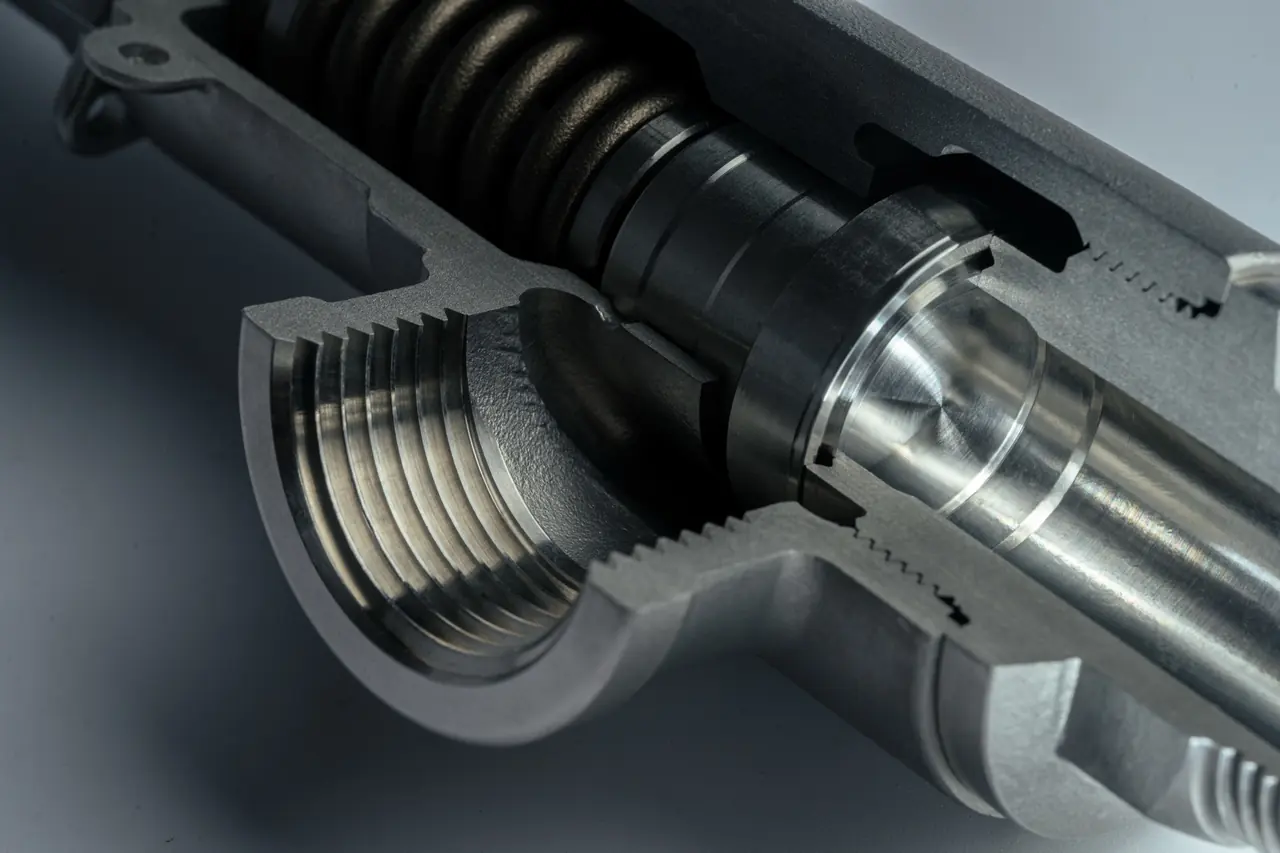
Not a render
The real thing, cut.
A Hopeet valve, sectioned to show the spring chamber, the threads and the seat.
05 — Traced
Tested. Traced. For five years.
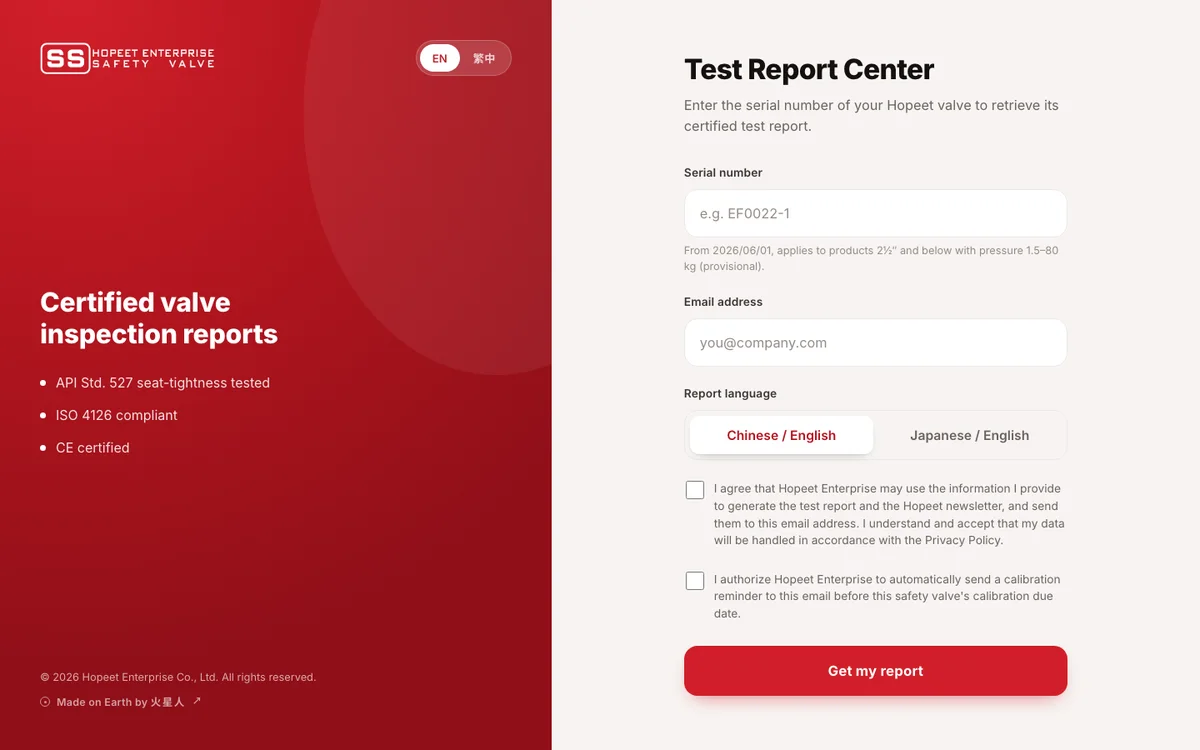
Each valve’s test report and test footage are kept for at least five years. Scan it to open the report in our Cloud Test Report Center.
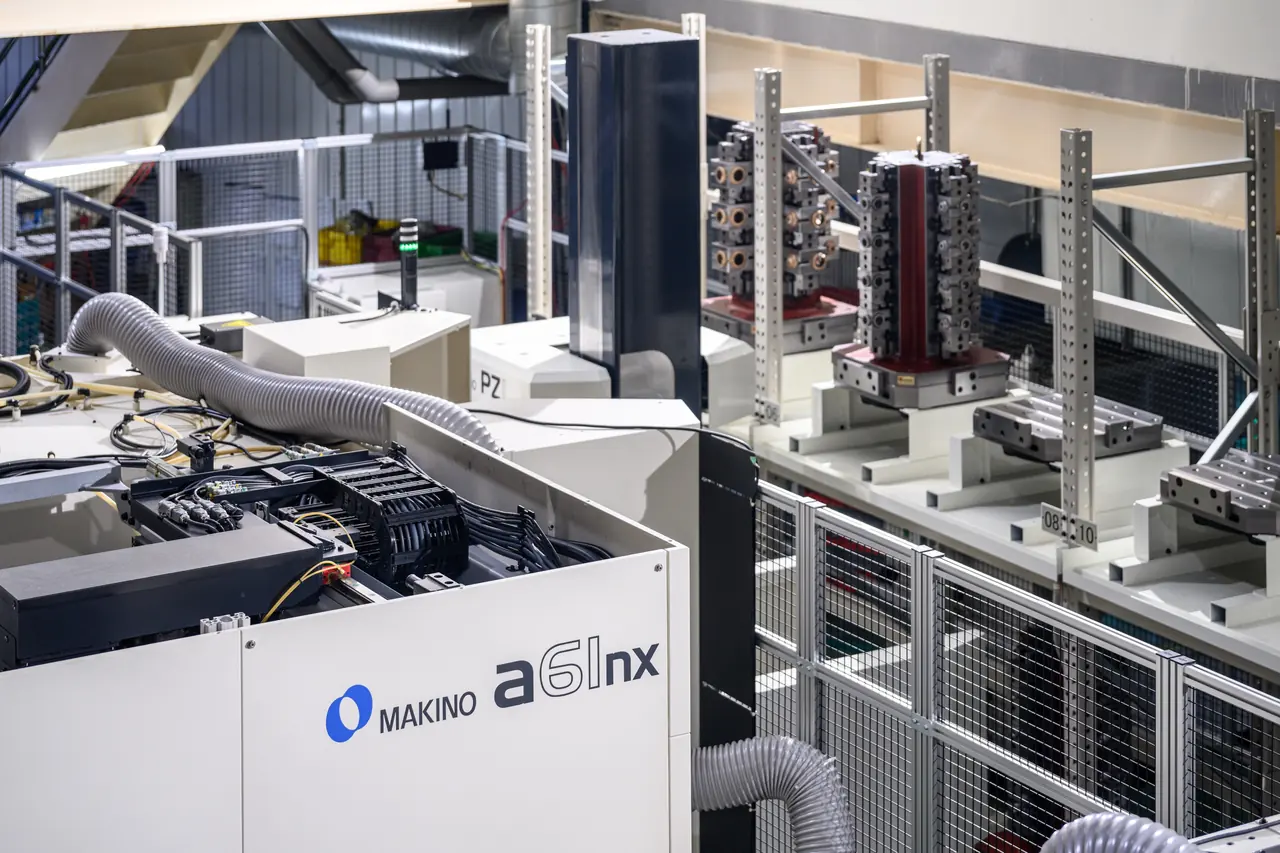
Makino a61nx · horizontal machining cell
Brass bodies on a tombstone fixture
DMG MORI DMU 50 · 5-axis
Robot-tended CNC lathe
Machined brass, ready to assemble
Set-pressure test fixture
SU-SSS · Hopeet CAD data
Sectioned valve
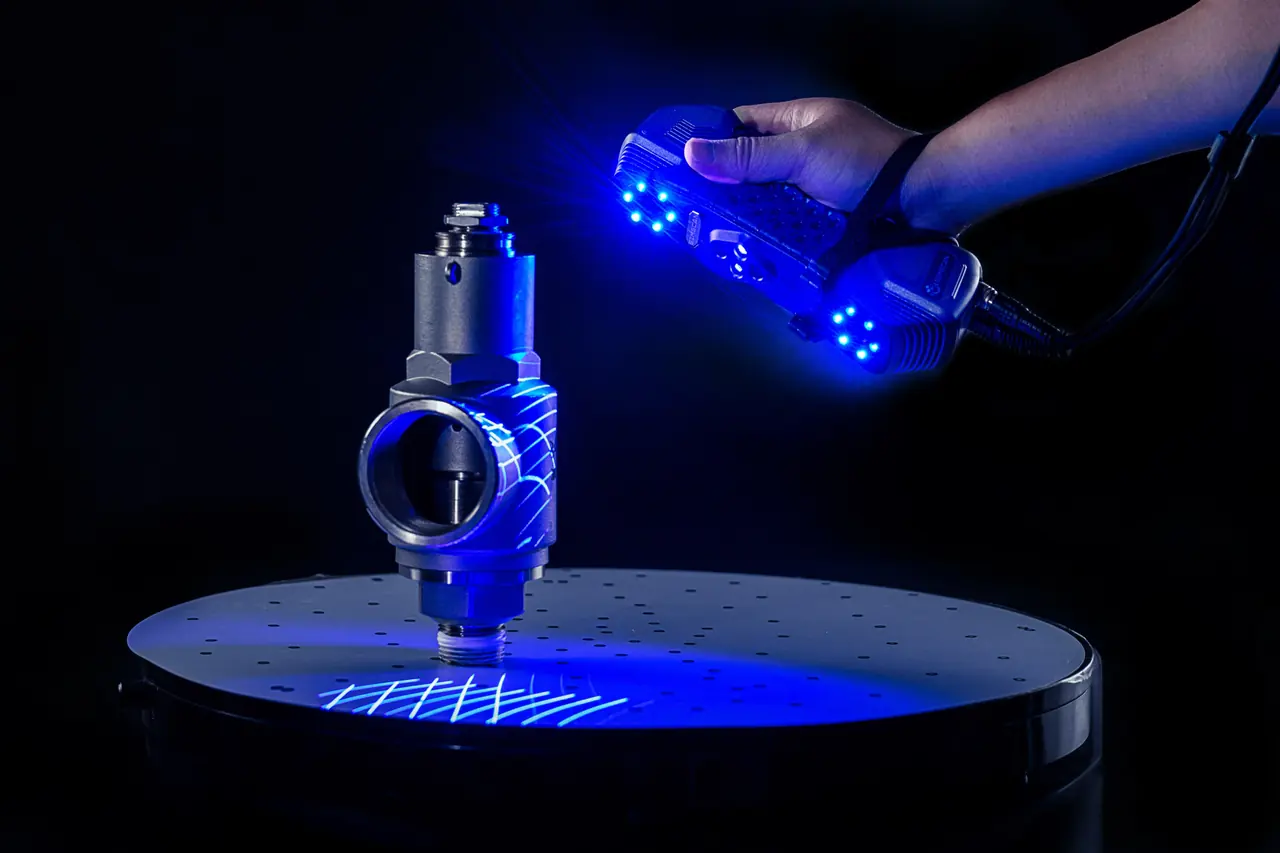
3D scan inspection
Drag to rotate